
November 28, 2025
- seedfoundation
- 1 Comment on Inside Lagos State’s Non-State School Policy Reform: Lessons from the Drafting Process
Education reform is often discussed as an outcome.
In practice, it is a process: shaped by negotiation, evidence, institutional learning, and human relationships. It is rarely linear. Often messy. Always iterative.
Lagos State’s ongoing non-state school policy reform offers a rare and transparent look into how education policy is drafted, debated, and refined at the state level. As Nigeria’s largest and most complex education system, Lagos provides critical lessons on how state-level education reform can move beyond regulation toward genuine system improvement, especially for affordable non-state schools serving low-income communities.
In June 2025, SEED Care & Support Foundation was appointed as the civil society representative on the Lagos State Non-State Schools Policy Drafting Committee, placing the organisation inside the reform process, rather than outside it.
Being Inside the Room: Lagos State’s Policy Drafting Process
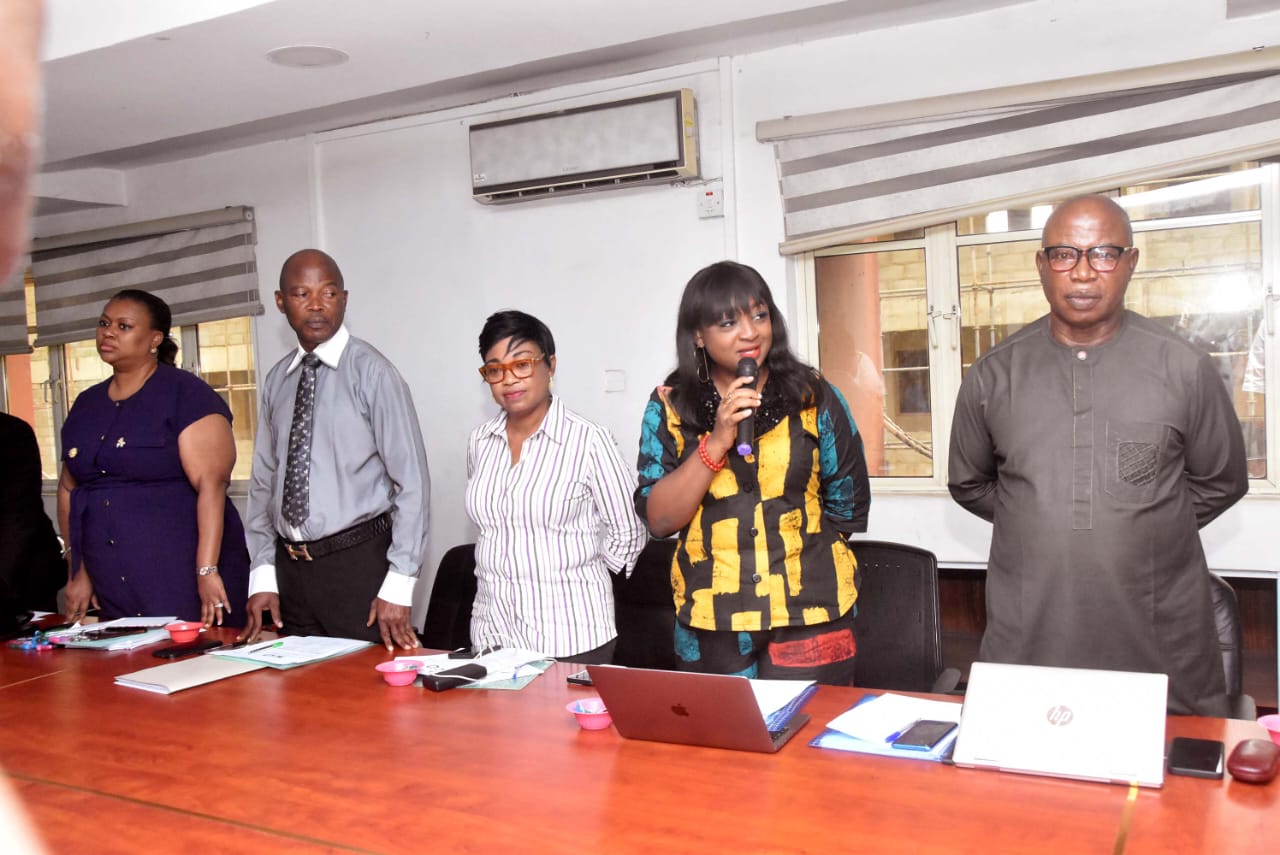
On Thursday, 26 June 2025, at the Office of Education Quality Assurance (OEQA) Headquarters in Alausa, Ikeja, the Lagos State Government formally constituted the Non-State Schools Policy Drafting Committee, appointing SEED Care & Support Foundation as its civil society representative.
This appointment was not symbolic.
It placed SEED inside the machinery of reform, participating in technical deliberations, alignment reviews, and policy design conversations alongside regulators, school associations, and other education stakeholders.
From the outset, one thing was clear – based on National Policy on Non-State Schools in Nigeria (NPNSN):
This was not about copying national policy language. It was about domesticating reform to Lagos realities.
Reform as Translation, Not Replication
Lagos is unique: by scale, by density, and by the diversity of its non-state education ecosystem.
As a result, the drafting process required constant translation:
- translating national non-state education policy into state-level regulatory language
- translating regulatory intent into school-level feasibility
- translating diverse stakeholder perspectives into coherent, implementable policy choices
This work unfolded over months of structured engagement, debate, and reflection. At times, it was uncomfortable. At others, deeply encouraging.
What stood out most was the state’s willingness to treat reform not as a fixed script, but as a learning exercise, one that allowed for iteration, evidence, and dialogue.
The Role of a Backbone Institution in Education Reform
SEED’s role within the Lagos State policy drafting process was deliberately systems-oriented. It focused on:
- promoting education equity by recognising, including, supporting, and engaging all non-state schools, especially affordable and underserved schools
- surfacing evidence from school communities
- ensuring affordability and access were not sidelined
- keeping implementation feasibility central to policy discussions
- bridging policy language with school and classroom-level realities
- galvanising grassroots stakeholder participation
- supporting alignment toward requisite policy approvals
This is what backbone work looks like in practice: quiet, relational, and anchored in trust.
Reform Beyond the Policy Document
A policy draft is not reform.
Reform begins when a system starts asking better questions.
Reform is not a document. It is a system learning in public.
By the time the draft policy moved toward public consultation, something important had already shifted: non-state education in Lagos was no longer being discussed as an exception to manage, but as a system to improve.
That shift, subtle but significant, is what makes the Lagos State non-state school policy reform process worth documenting.
Because education reform is not only about what changes.
It is about how systems learn to change.
NEWS Reports!
Below are some of the media publications. Click the links to read more:
One thought on “Inside Lagos State’s Non-State School Policy Reform: Lessons from the Drafting Process”