
October 27, 2025
- seedfoundation
- 1 Comment on Nigeria’s National Non-State Education Policy: From Reform Design to Implementation Learning
In Nigeria, education reform rarely fails for lack of ideas.
It fails in the space between policy design and real-world implementation.
This gap is most visible in non-state education, where millions of children from low-income households depend on affordable non-state schools as their primary access to learning. While national education policies increasingly acknowledge this reality, translating policy intent into classroom-level impact remains the central challenge.
At SEED Care & Support Foundation, this question has shaped our national policy engagement:
What does it actually take for education policy to work for all children, particularly those served by non-state schools?
This reflection documents SEED’s journey with Nigeria’s National Non-State Education Policy: from policy design, to its official launch in July 2025 in Abuja, and into early implementation learning around Education Public–Private Partnerships (E-PPP) and solutions to out-of-school children.
Policy Design: Recognising the Reality of Non-State Schools in Nigeria
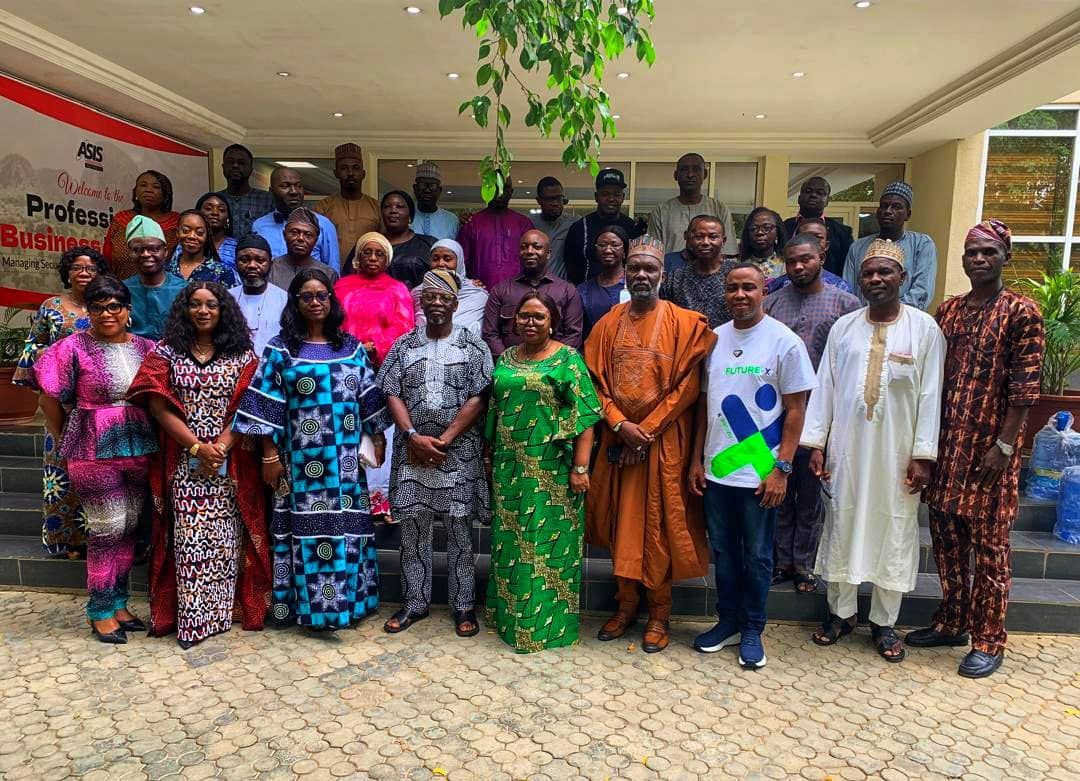
In 2024, SEED Care & Support Foundation was invited by Nigeria’s Federal Ministry of Education to support the development of the National Policy on Non-State Schools in Nigeria (NPNSN) and its accompanying implementation guidelines.
This invitation reflected a long-standing truth:
Non-state schools are not peripheral to Nigeria’s education system, they are central to access, particularly for low-income families.
Government recognition of non-state education is not new. Nigeria’s National Policy on Education (1977) acknowledged and encouraged the establishment of non-state schools, subject to regulation and integration into the national system.
The NPNSN sought to move beyond recognition toward reform by:
- Strengthening quality assurance in non-state schools
- Advancing equity and access for underserved learners
- Improving accountability to government and the public
SEED’s role focused on ensuring that these ambitions were grounded in the operational realities of non-state schools.
In October 2024, the National Council for Education (NCE) approved the policy borne out of the need to address the challenges of non-state schools in complementing government efforts to provide access to quality, equitable and inclusive education to Nigerians.
Being Present at the Birth of Policy
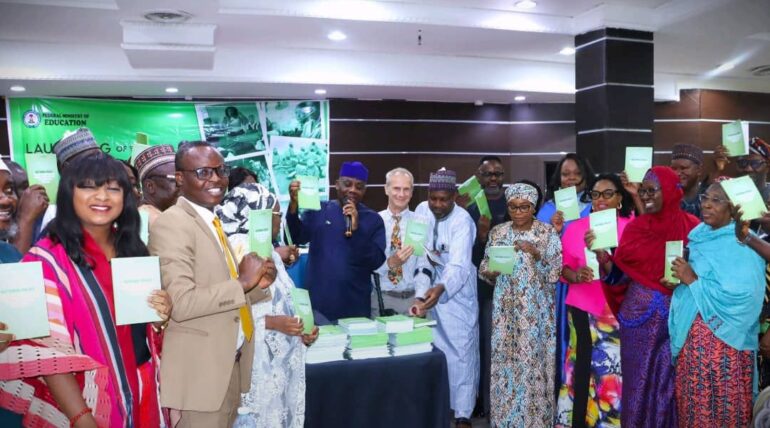
SEED’s national policy engagement culminated in the official launch of Nigeria’s National Policy on Non-State Schools in Nigeria (NPNSN) and the NPNSN Executive Summary on 16 July 2025 in Abuja.
The launch marked years of advocacy, coalition-building, and technical engagement across government, civil society, philanthropy, and the private sector.
But policy launches, while important, are only beginnings.
For SEED, the real work started after the applause.
From Policy Launch to Implementation Pathways
Following the launch, SEED continued participating in implementation planning conversations, particularly around how Education Public–Private Partnerships (E-PPP) could advance the policy’s ambition to reduce Nigeria’s out-of-school children population, using a proposed national voucher-based approach.
These engagements marked an important transition: from policy intent to practical implementation design.
Bringing together government, technical partners, civil society, and other stakeholders, we worked collaboratively to map viable pathways for operationalising the policy: clarifying roles, sequencing actions, and identifying the systems required to move from planning to delivery.
As with most large-scale education reforms, this phase highlighted a familiar reality:
Implementation is not a single event, but a process – one that requires deliberate systems design, sustained coordination, and learning over time.
For non-state education in Nigeria, long characterised by informality and under-inclusion, this moment represented progress. The shift from recognition to structured planning, and now toward the next phase of execution and learning.
What National Reform Taught Us About Systems Change
Three lessons from the national policy process continue to shape SEED’s approach to education systems change in the non-state sector:
Inclusion Must Be Designed, Not Assumed
Non-state schools are a core delivery channel, not a marginal sub-sector. Reform that treats them as an afterthought risks remaining symbolic.
Financing Is Critical To Implementation
Without clear and viable financing pathways, policy commitments rarely translate into classroom-level change.
Learning Systems Matter
In Nigeria’s federal system, national education policies are frameworks for domestication, not endpoints. Effective policy implementation requires feedback loops, mechanisms that reveal what is working, what is failing, and why.
These lessons were not theoretical.
They became operational.
Why Nigeria’s Non-State Education Reform Matters Now
Nigeria does not need more education policies that sound right. It needs policies that travel well:
- from federal documents to state systems
- from state frameworks to school practice
- and ultimately to children’s learning outcomes

SEED’s engagement with Nigeria’s National Non-State Education Policy is not a closed chapter. It is a living reference point, informing how we approach quality, financing, and implementation at scale in the non-state education sector.
The work ahead is not about celebrating reform.
It is about staying with it long enough to make it work.
NEWS Reports!
Below are some of the media publications about the NPNSN Launch. Click the links to read more:
One thought on “Nigeria’s National Non-State Education Policy: From Reform Design to Implementation Learning”